Highlights
- A pergola creates a defined outdoor living area that can accommodate dining, entertaining and relaxation.
- Thoughtful pergola design provides shade and helps make outdoor spaces more comfortable during warmer months.
- Adjustable roofing and carefully positioned screens can improve protection from changing weather conditions.
- A well-planned layout helps homeowners make better use of their available backyard space.
- Features such as lighting, climbing plants and outdoor furniture can enhance a pergola’s functionality.
- Selecting suitable materials and understanding local building requirements helps homeowners plan a practical, long-lasting addition.
A backyard should be more than an attractive space to look at through the window. With the right design, it can become an extension of the home, providing somewhere to entertain guests, enjoy family meals or relax after a busy day.
However, harsh sunlight, unpredictable weather and limited shade can make outdoor areas difficult to use comfortably.
Installing a pergola offers a practical way to overcome these challenges. By creating a dedicated outdoor area, homeowners can introduce shade, organise their backyard and establish a comfortable space for everyday activities.
From compact courtyards to expansive gardens, a thoughtfully designed structure can help Australian homeowners get more enjoyment from their outdoor spaces throughout the year.
How Does a Pergola Improve Outdoor Comfort?
A pergola improves outdoor comfort by providing a framework for shade, reducing direct sunlight and creating a more pleasant space for relaxation. Its effectiveness depends on the positioning, roofing materials and additional features incorporated into the design.
According to YourHome’s Australian shading guidance, appropriate shading can improve summer comfort and reduce unwanted heat entering a home. Adjustable shading systems, including pergolas with retractable shade cloth, can also help manage seasonal sunlight.
For homeowners, this means a carefully positioned structure can make outdoor dining areas more comfortable during warmer weather. Additional features, such as climbing plants, adjustable louvres or retractable covers, offer greater control over sunlight throughout the day.
The location matters just as much as the materials. Consider where the sun falls during the morning and afternoon, particularly when designing a space intended for regular use.
What Activities Can You Enjoy Under a Pergola?
A pergola can accommodate outdoor dining, entertaining, relaxation and a range of everyday activities. Creating a designated area makes the backyard feel more organised while giving household members additional space to enjoy.
The possibilities depend on the structure’s size, location and intended purpose. Popular options include:
- Outdoor dining: Position a dining table beneath the structure to create a comfortable setting for family meals and gatherings.
- Relaxation: Add weather-resistant lounges, cushions and side tables to establish a peaceful retreat.
- Entertaining: Arrange seating to encourage conversation and create a welcoming environment for guests.
- Children’s activities: Establish a shaded space for supervised play, reading and creative activities.
- Outdoor work: Incorporate suitable furniture and access to power for occasional work or study outside.
Choosing furniture that suits the available dimensions helps maintain comfortable circulation without overcrowding the area. Flexible arrangements also allow homeowners to adapt the space for different occasions.
How Can a Pergola Improve Your Backyard Layout?
A pergola improves backyard layouts by defining functional zones and creating a natural connection between indoor and outdoor living areas. Rather than leaving an open yard without a clear purpose, the structure establishes a dedicated destination.
For smaller properties, placing a pergola beside the home can make efficient use of limited space. It may also provide a visual transition between interior living rooms and an adjoining garden or courtyard.
Larger backyards offer opportunities to create separate areas for dining, relaxation and recreation. Positioning the structure near existing landscaping can help these spaces feel connected without compromising their individual functions.
Consider access when finalising the layout. Clear pathways between the house, garden and entertaining area make the space easier to navigate.
A cohesive design should also complement the home’s architectural features, surrounding materials and existing landscape to create a consistent appearance.
Which Features Make a Pergola More Functional?
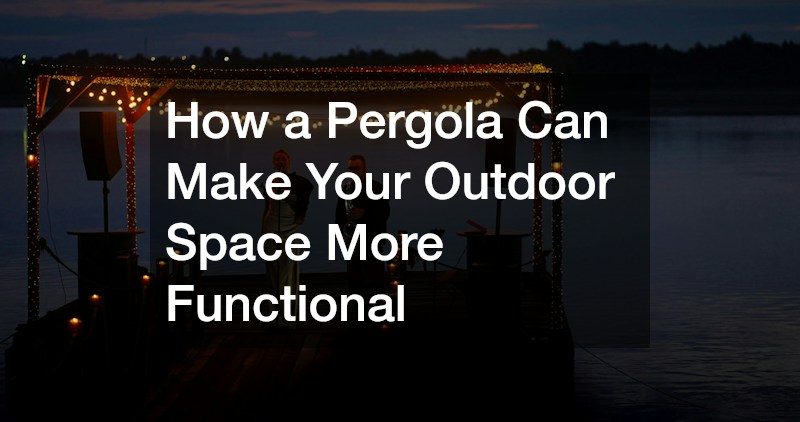
Practical features such as adjustable roofing, integrated lighting and outdoor screens can make a pergola more versatile. Selecting additions according to how the space will be used helps homeowners balance comfort, convenience and appearance.
Consider incorporating the following features into the design:
- Adjustable roofing: Retractable covers or adjustable louvres provide greater control over sunlight and, where designed for it, rain protection.
- Outdoor lighting: Integrated lighting improves visibility and helps extend the space’s usefulness into the evening.
- Privacy screens: Carefully positioned screens can create a more secluded environment while reducing exposure to breezes.
- Climbing plants: Suitable greenery introduces natural character and can provide additional seasonal shade.
- Comfortable furniture: Durable seating and practical tables help accommodate different activities.
Sun protection deserves particular attention. SunSmart’s shade guidance explains that well-designed and positioned shade can reduce overall UV exposure by 60% to 90%. However, shade alone doesn’t provide complete protection, making other sun protection measures important.
What Should You Consider Before Installing a Pergola?
Before installing a pergola, homeowners should assess the available space, intended use, material suitability and applicable building requirements. Early planning helps ensure the finished structure meets practical needs and complies with relevant regulations.
Start by considering how much space the structure should occupy without obstructing pathways, garden beds or existing outdoor features. Materials should also suit the local climate and anticipated maintenance requirements.
Timber offers a natural appearance, while aluminium provides a different aesthetic with relatively straightforward maintenance. The appropriate option depends on the design and surrounding environment.
Building requirements also deserve attention. The NSW Planning Portal’s development guidance outlines standards for certain pergolas and other outdoor structures that may qualify as exempt development. These include requirements relating to dimensions, positioning and structural adequacy.
Because regulations vary between jurisdictions and properties, homeowners should confirm applicable requirements with their local council before construction begins.
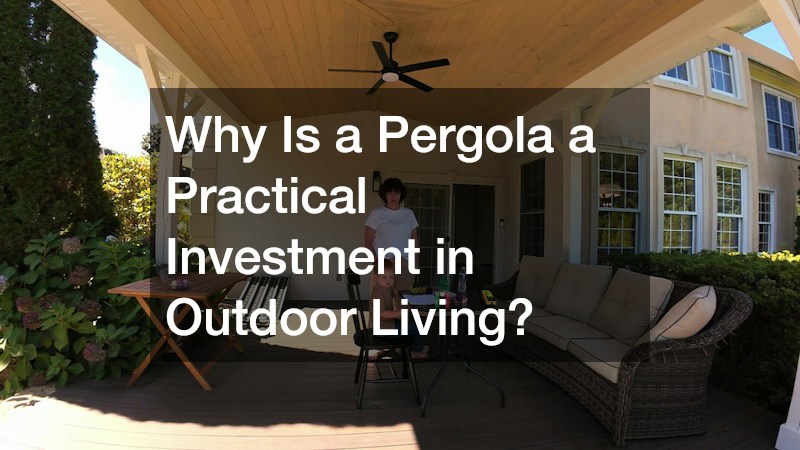
Why Is a Pergola a Practical Investment in Outdoor Living?
A pergola is a practical addition because it transforms an otherwise underused area into a defined space for everyday living. By combining thoughtful positioning, suitable materials and useful features, homeowners can create an outdoor environment that accommodates changing needs.
The most effective designs begin with a clear purpose. A household that regularly entertains may prioritise dining space and lighting, while someone seeking a quiet retreat might prefer comfortable seating, greenery and additional privacy.
Taking time to consider sunlight, access and maintenance also helps ensure the structure remains suitable for regular use.
Ultimately, a well-designed pergola does more than enhance a backyard’s appearance. It creates opportunities to spend more time outdoors, enjoy meaningful moments with family and friends and make better use of the space already available at home.