Installing an air conditioner can make your home or workplace more comfortable throughout Australia’s hot summers and changing seasons. However, choosing the right unit is only part of the process. The quality of the installation can influence how effectively the system operates, how much energy it uses and how well it performs over time.
Before hiring a team, it’s worth considering several factors, including the property’s cooling requirements, the installer’s qualifications, your budget and the ongoing maintenance involved. Taking time to assess these details can help you make an informed decision and find a solution that suits your space.
Assess Your Cooling Requirements
Every property has different heating and cooling needs. The size of the room, ceiling height, insulation, window placement and exposure to direct sunlight can all influence how much cooling capacity is required.
A unit that’s too small may struggle to maintain a comfortable temperature, while an oversized system can increase upfront costs and may not operate as efficiently as expected. The number of occupants, room layout and intended use of the space should also be considered.
Before choosing equipment, ask the installer to assess your property and recommend a suitable system. A professional assessment can help determine the appropriate capacity and identify any factors that may affect performance.
Choose the Right Air Conditioning System
Several types of air conditioners are available, and the best option depends on your property and budget.
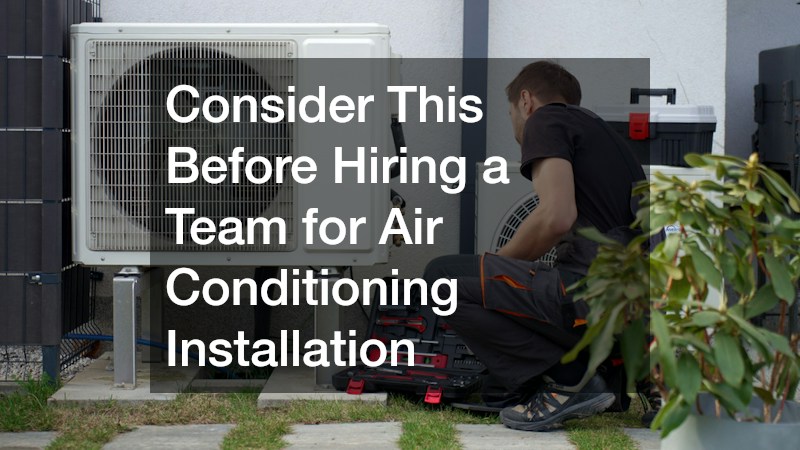
Split systems are commonly used to cool individual rooms or open-plan areas. They consist of an indoor unit and an outdoor compressor, making them suitable for many homes and smaller offices.
Ducted systems distribute conditioned air through ducts connected to multiple rooms. They can provide a more integrated solution for larger homes, although installation may involve additional planning and costs.
Multi-split systems connect several indoor units to a single outdoor unit, allowing different areas to be cooled individually, depending on the system’s design.
Consider which rooms need cooling, whether you want individual temperature controls and how much space is available for the equipment. A qualified installer can explain the advantages and limitations of each option.
Check the Installer’s Qualifications and Experience
Choosing a suitably qualified professional is essential when arranging air conditioning installation. Refrigerant handling and electrical work are regulated activities in Australia, so the relevant work must be completed by appropriately licensed or authorised professionals.
Before hiring a team, ask about their qualifications, experience and familiarity with your chosen system. You should also confirm that they hold appropriate insurance and can meet the applicable installation requirements.
An experienced installer should be able to explain the proposed work, identify potential challenges and answer questions about the equipment. They should also provide clear information about what is included in the service.
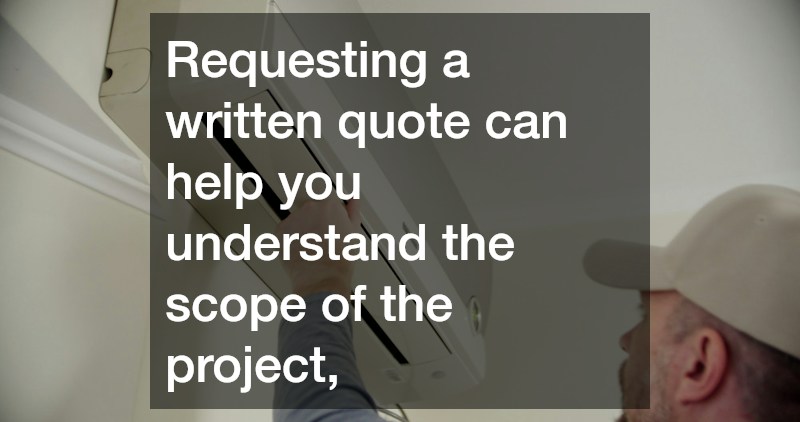
Requesting a written quote can help you understand the scope of the project and compare providers more accurately.
Understand the Installation Process
Knowing what the installation involves can help you prepare your property and avoid unexpected disruptions.
Depending on the system, the work may include mounting indoor and outdoor units, installing refrigerant pipework, connecting drainage, arranging electrical connections and testing the equipment. Ducted systems may require additional work within ceilings or roof spaces.
The installer should assess suitable locations for the equipment, considering airflow, access for servicing, drainage and noise. Outdoor units also need appropriate clearance and a stable mounting surface.
Ask how long the work is expected to take, whether furniture needs to be moved and whether any building modifications are required. Clarifying these details beforehand can make the appointment easier to manage.
Compare Quotes and Understand the Costs
The cheapest quote isn’t necessarily the best value. When comparing prices, check whether each proposal includes the same equipment, installation work and associated materials.
Costs may vary according to the system’s capacity, installation complexity, pipework requirements, electrical upgrades and accessibility. Additional work may also be needed if the existing electrical supply or mounting location isn’t suitable.
Ask whether the quote covers removal of an old unit, disposal of packaging, commissioning and any required electrical work. Confirm how variations or unexpected issues will be priced before the work begins.
It’s also worth considering running costs. Comparing energy ratings and expected usage can help you understand the longer-term cost of operating different systems.
Ask About Warranties and Aftercare
A new air conditioner requires ongoing care to maintain its performance. Before choosing an installer, ask about the manufacturer’s warranty, workmanship coverage and recommended servicing schedule.
Check the warranty conditions carefully, including any maintenance requirements and exclusions. Keep your installation documents, equipment details and receipts in a safe place in case you need them later.
Regularly cleaning accessible filters according to the manufacturer’s instructions can help maintain airflow between professional services. Outdoor units should also be kept clear of leaves and other obstructions.
Ask the installer to explain how the system operates, how to use its controls and what signs may indicate that professional attention is needed.
Make an Informed Installation Decision
Choosing an air conditioning installer involves more than comparing prices and selecting a unit. Assessing your property’s needs, checking qualifications, understanding the installation process and reviewing warranty arrangements can help you avoid common problems.
Take time to ask questions and compare written quotes before committing to a provider. With suitable equipment and professional installation, you can create a more comfortable indoor environment while supporting reliable operation and long-term value.